Solar Systems
Solar panels, hybrid inverters, batteries and solar pumps sized to your real load, for backup during blackouts and lower power bills.
The lights go off in the middle of the evening, the fridge goes quiet, Wi-Fi drops and work stops. KPLC outages, rising token prices and the cost of running a generator all add up. Many people try solar, only to find the system was undersized, the batteries die within a year or the inverter trips whenever the pump starts.
Nerpax Systems designs and installs solar systems sized to what you actually use. We start with a site survey and load assessment: which appliances must stay on, for how long, and how much roof or ground space you have. From that we recommend the right panels, inverter and battery bank, then supply genuine equipment, mount and wire it safely, set up protection and changeover, and commission the system with you.
At handover we explain how to read the inverter, what the battery can carry, and how to get the most from your panels during the day. We are honest about sizing: the right system depends on your load, and we will tell you what is realistic for your budget.
From backup for a home in a blackout-prone area to hybrid systems for offices and solar water pumping for farms, one team handles it from survey to handover.
Book a free site survey or request a quote today.
What we offer
- Solar panel supply and installation
- Hybrid inverter systems
- Off-grid solar systems
- Lithium and lead-acid battery banks
- Solar water pumping for boreholes and irrigation
- Inverter and UPS backup power
- Load assessment, sizing and system design
- Battery upgrades and system expansion
- Solar system repairs and maintenance
Why choose us
Sized to your real load
We assess what you need to power and for how long before recommending equipment, so you do not pay for an oversized system or end up with one that cannot cope.
Honest about what solar can do
We explain plainly what your system will and will not run, including heavy loads such as electric showers, cookers and large pumps.
Genuine panels, inverters and batteries
We supply genuine equipment from established manufacturers, avoiding low-grade batteries and inverters that fail early.
Safe wiring and protection
Systems are wired with proper DC and AC protection, earthing and changeover, following the Kenyan wiring regulations and safety standards.
One team for the whole job
The same team surveys, designs, supplies, installs and commissions, and can integrate solar with your existing electrical installation or generator.
Types of solar systems
The right setup depends on whether you have a reliable grid connection, what you want to keep running, and your budget.
Hybrid solar systems
A hybrid inverter combines solar panels, batteries and KPLC power. During the day the sun powers your loads and charges the batteries, and the grid tops up when needed. When there is a blackout the system switches to battery automatically. This is the most popular option for homes and offices on the grid.
Off-grid solar systems
For properties with no grid connection, such as rural homes, farms and remote sites. The panels and battery bank carry the full load, so careful sizing matters, and a generator is often added as backup for cloudy spells.
Solar water pumping
Solar pumps lift water from boreholes, shallow wells and rivers for domestic use, livestock and irrigation, without fuel costs. Sizing depends on depth, daily water needs and the distance to your tank.
Inverter and UPS backup
Where solar panels are not practical, an inverter with batteries charged from the grid keeps essentials running during outages. Panels can be added later.
Lithium or lead-acid batteries?
Lithium batteries cost more upfront but last many more charge cycles, can be discharged more deeply and need little maintenance. Lead-acid batteries (gel, AGM or tubular) are cheaper to buy but wear faster when cycled daily. For systems used every day, lithium usually works out cheaper over time. We explain the trade-off for your budget.
How solar sizing works
Good solar design starts with your load. We list the appliances you want to power, their wattage and daily hours of use, then size the inverter for the peak load, the battery bank for the hours of backup you want, and the panels to recharge it. Heavy loads such as electric showers, ovens, irons and large motors can make a system much larger and costlier, so we will suggest which loads to keep on the grid or generator. We also check where the panels will face, any shading from trees or nearby buildings, and the condition of your roof, because these affect how much power you actually get each day.
What affects solar installation cost
- Total daily energy use and peak load
- Battery type and storage capacity
- Number of panels, roof type and mounting
- Inverter type and size
- Cable runs, protection and changeover work
As an indicative 2026 guide, a small backup system for lights, TV, Wi-Fi and phone charging may cost KES 120,000 to 250,000. A hybrid system for a typical family home with lithium storage often falls between KES 450,000 and 1,000,000, and commercial systems are quoted per site. Solar pumping varies widely with depth and flow. All figures depend on site; confirm with a free site survey.
Who it is for
- Homeowners tired of blackouts and high token bills
- Landlords keeping common lighting, pumps and gates running
- Businesses and offices protecting computers, POS and internet
- Schools, churches and clinics that cannot afford downtime
- Farms needing water pumping and off-grid power
Maintenance and aftercare
Clean panels regularly, especially in dusty areas, keep batteries in a cool, ventilated space and watch the inverter for warning messages. We offer servicing, battery health checks and system expansion as your needs grow. If you are interested in exporting power to the grid, ask us during the survey and we will advise on what currently applies.
For backup that covers heavy loads, combine solar with generator installations. Browse panels, inverters and batteries in our shop.
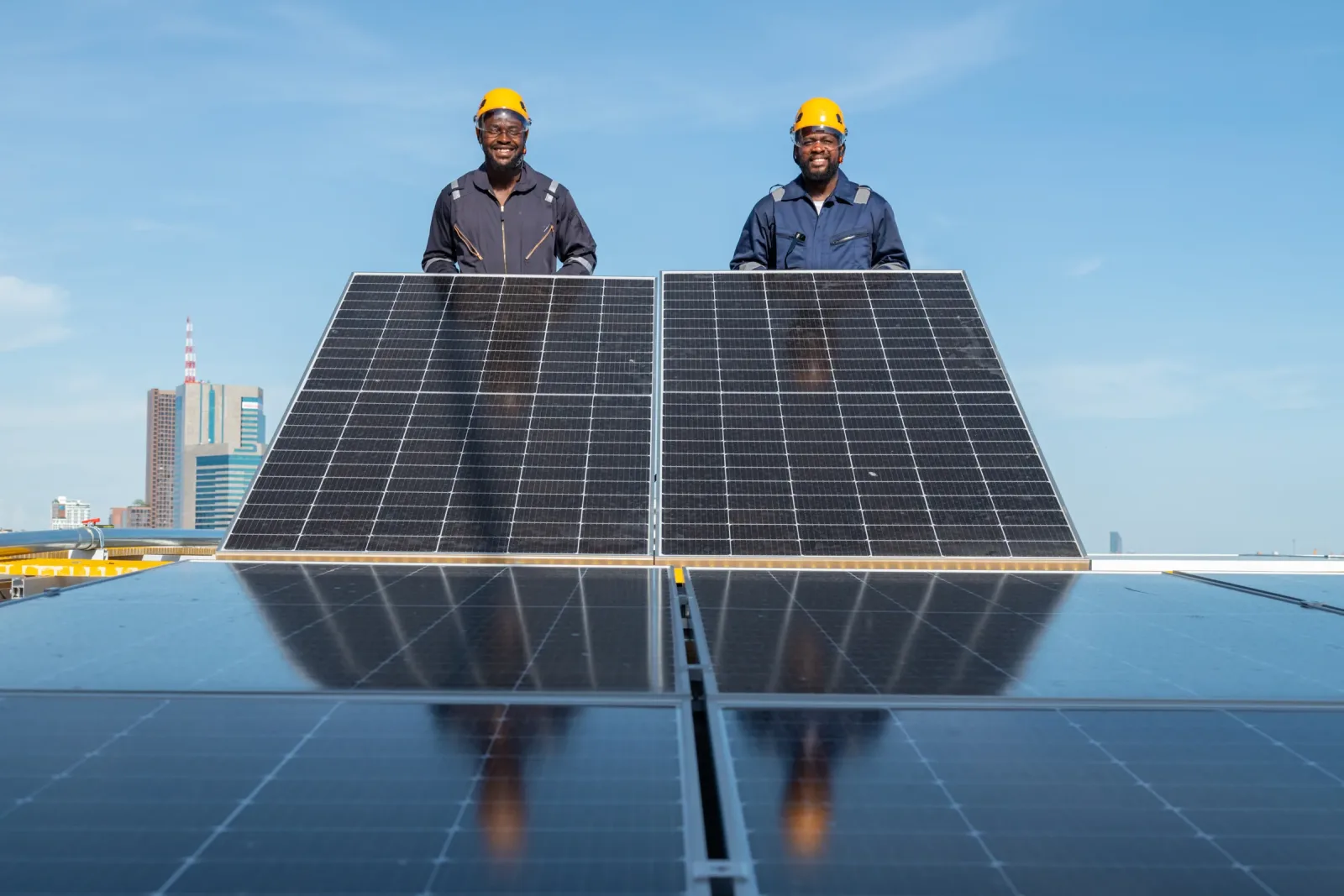
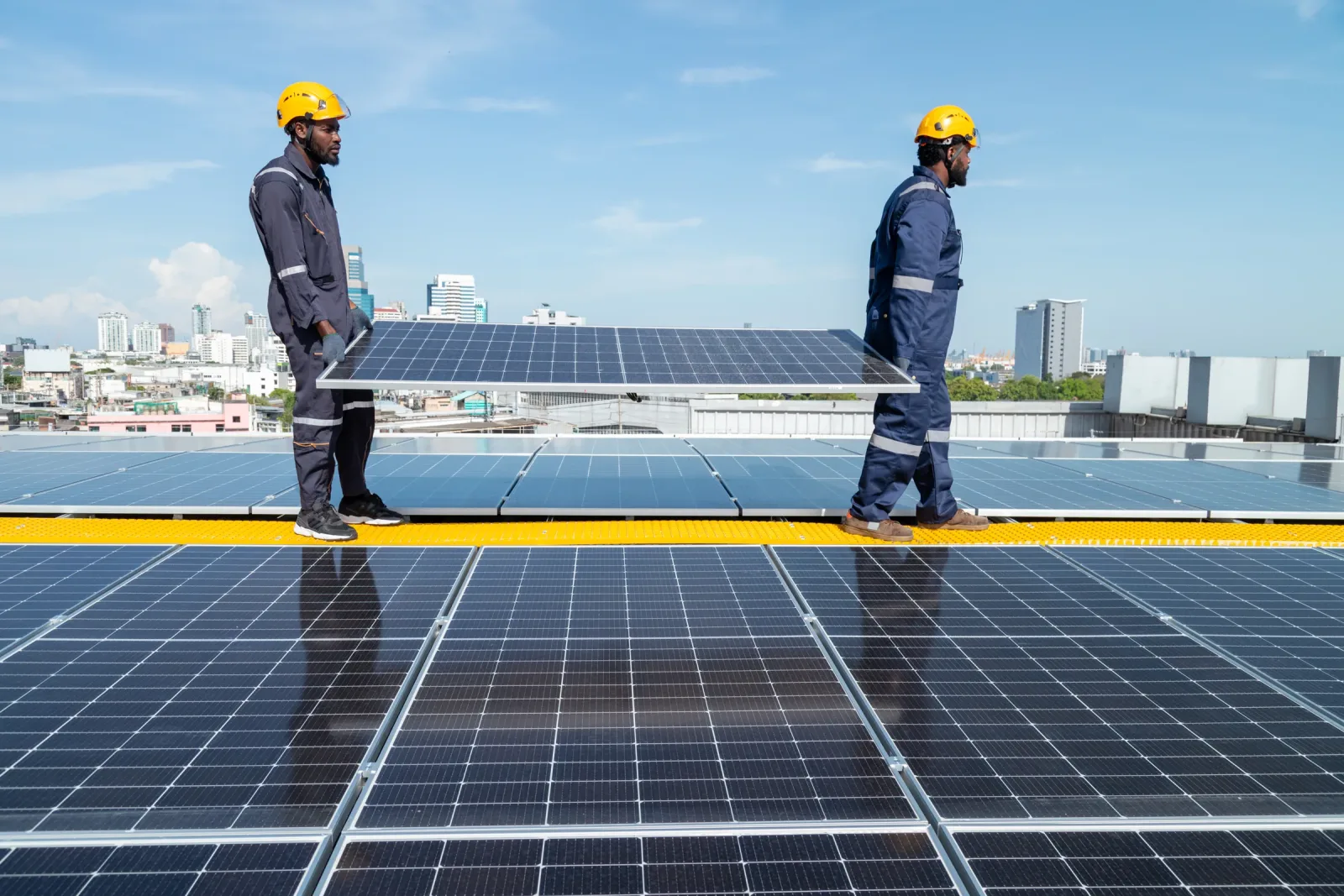
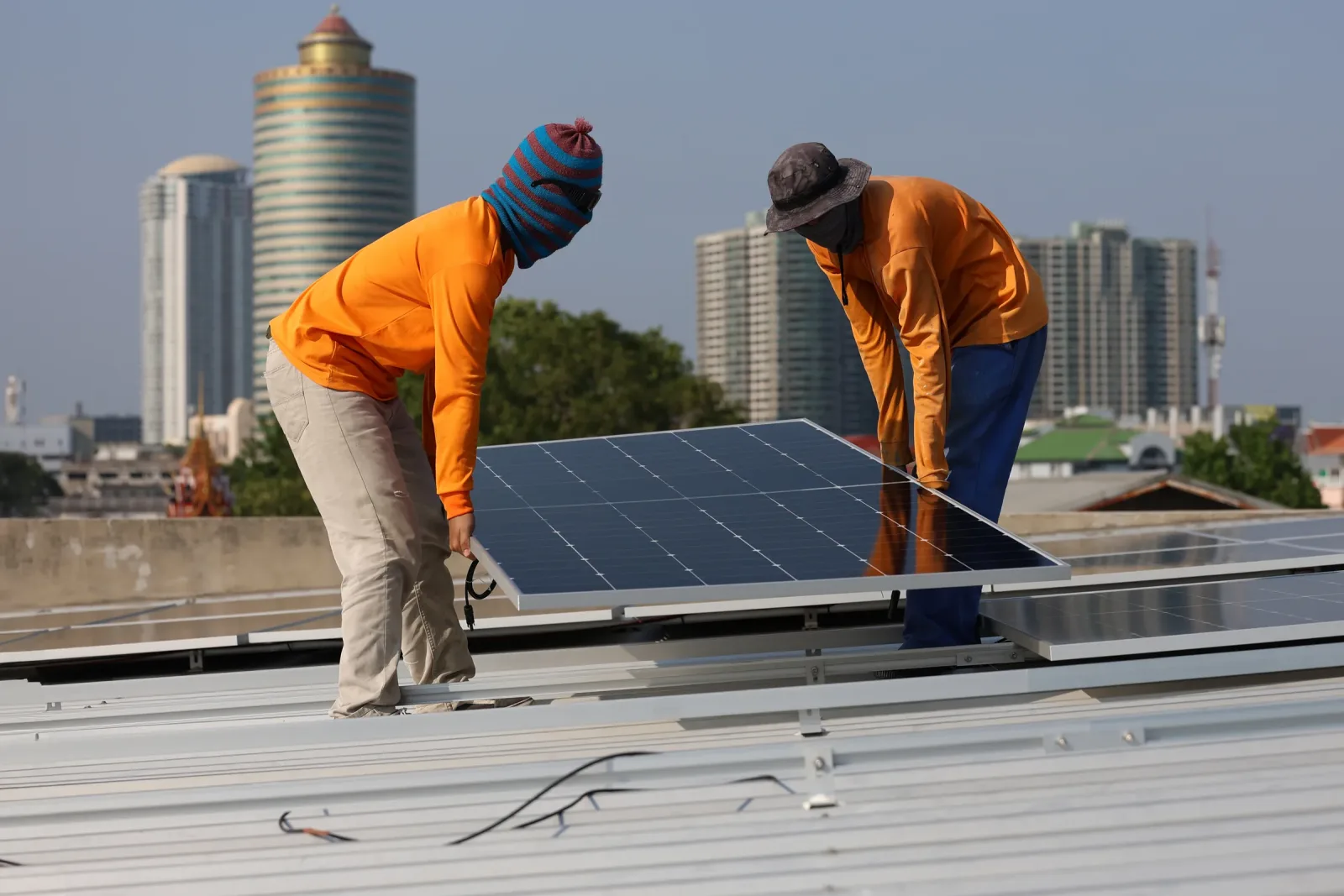
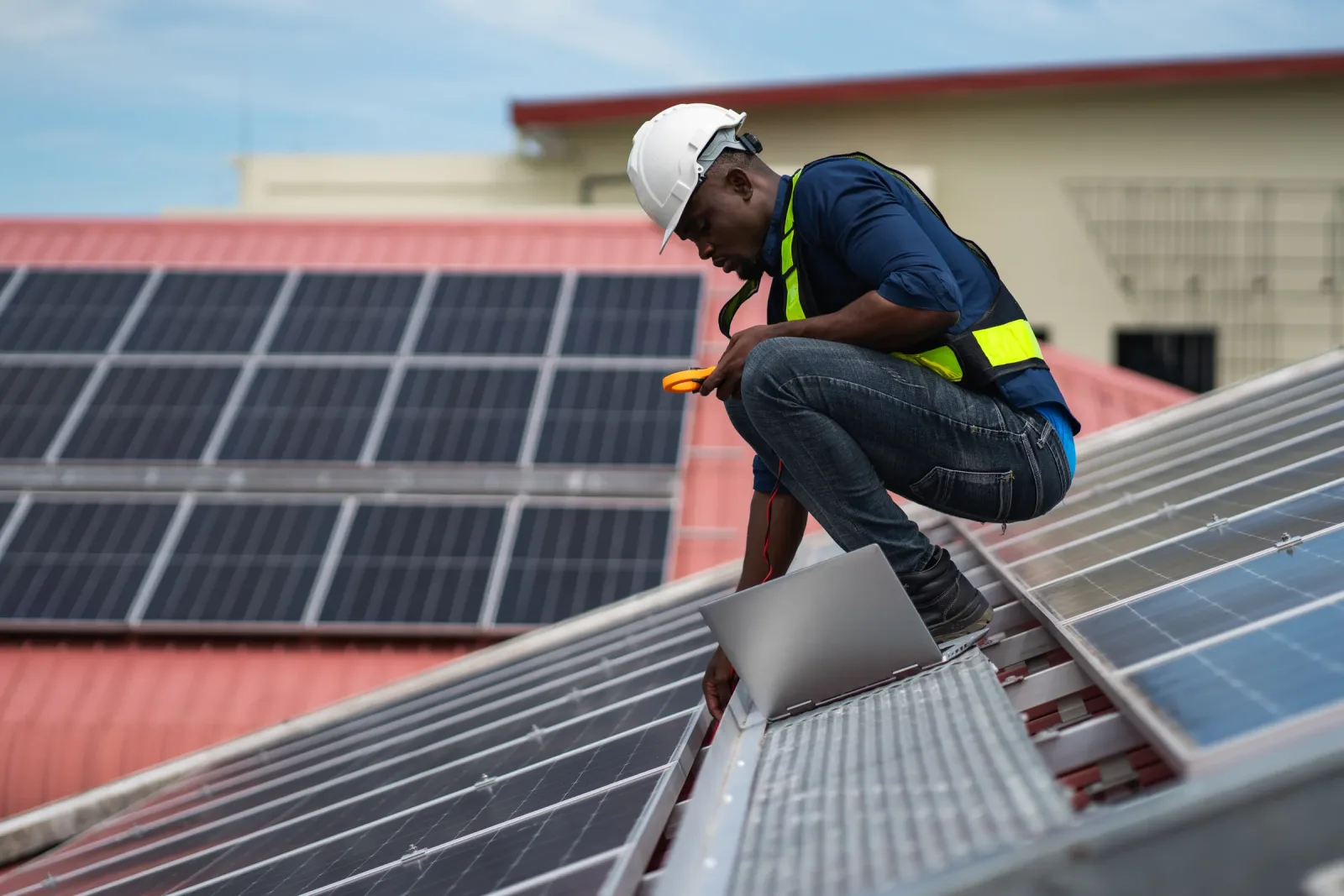
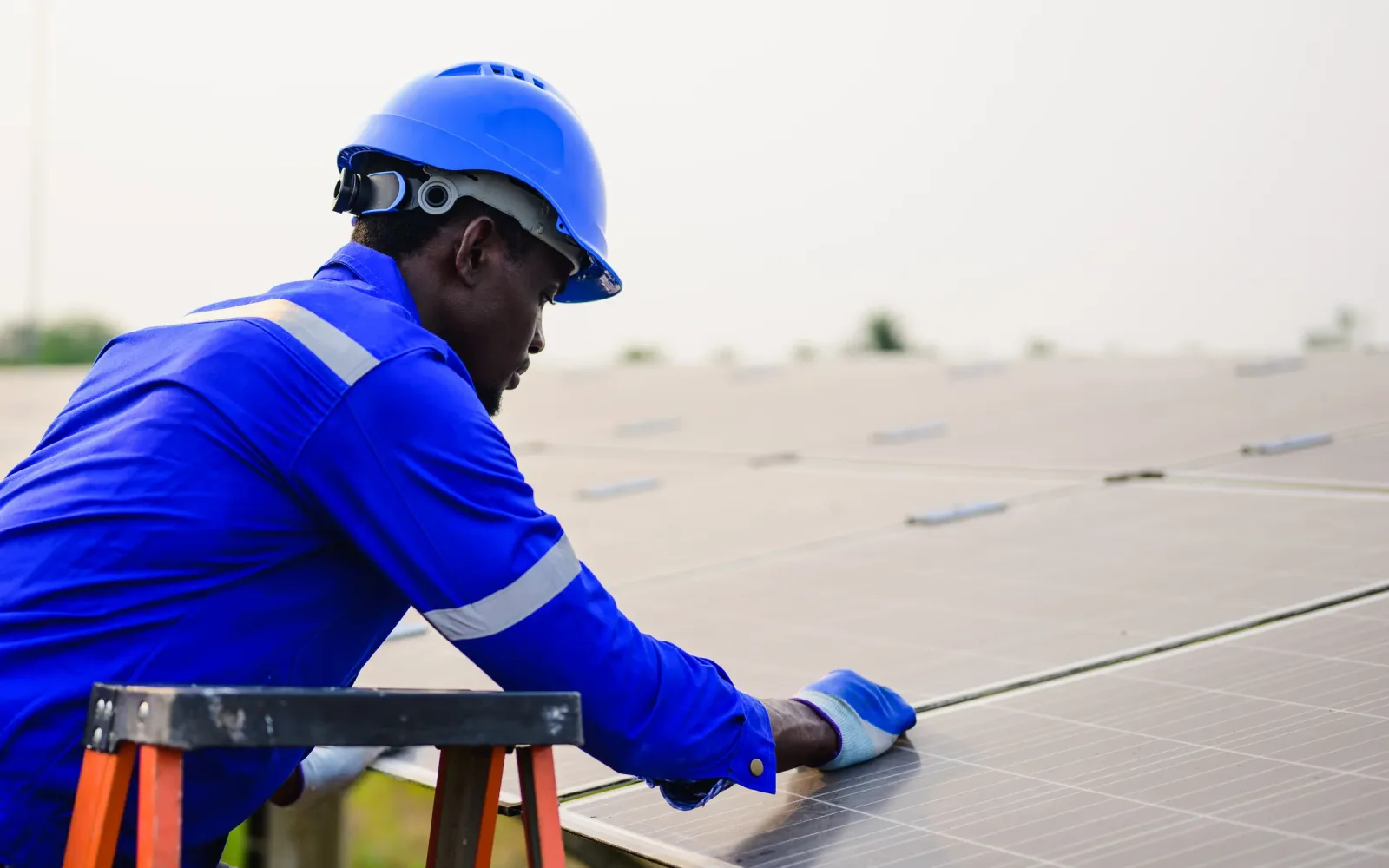
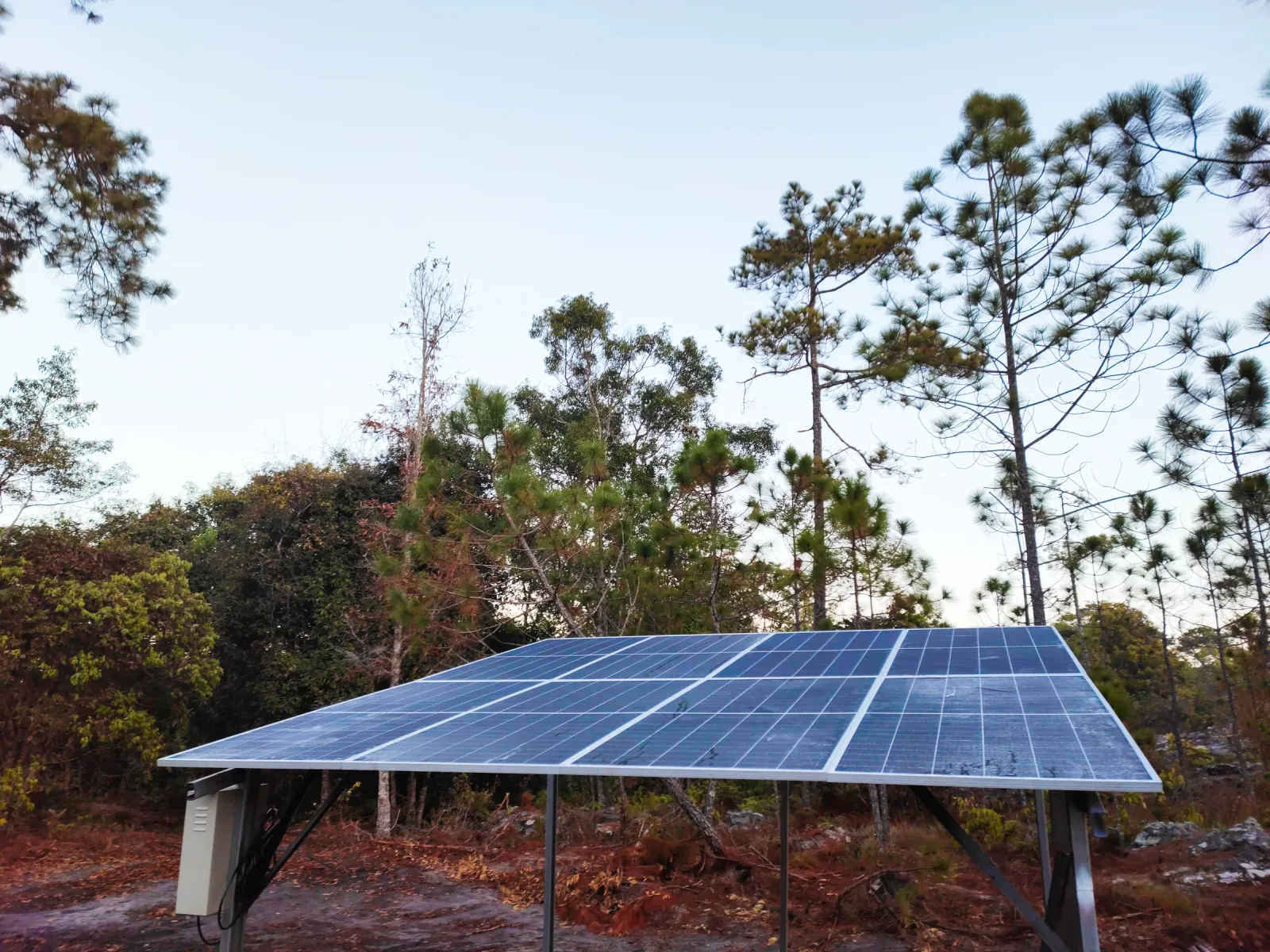
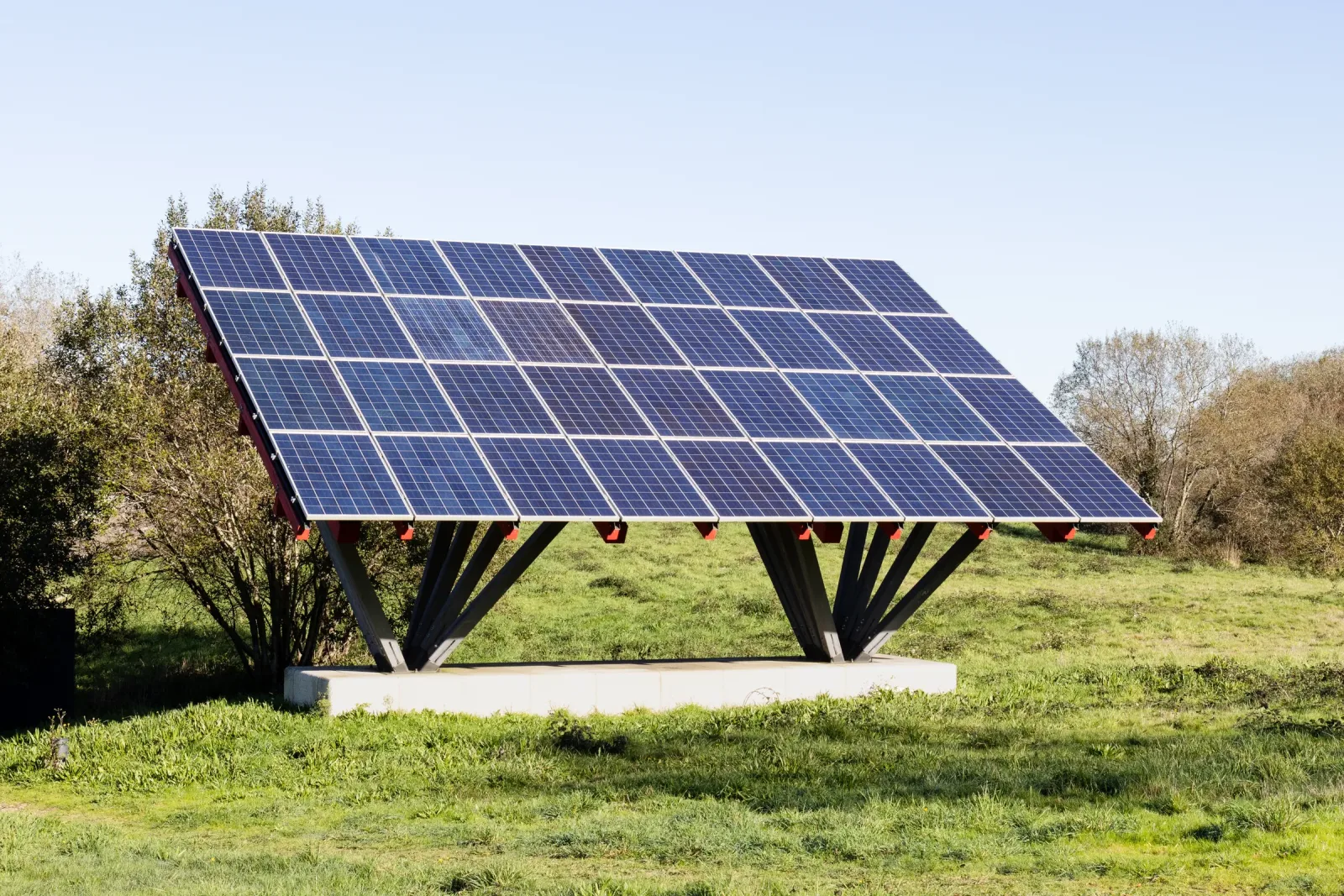
Solar Systems photos
Frequently asked questions
How much does a solar system cost in Kenya?
What size solar system do I need for my house?
Can solar power run a fridge, TV and electric shower?
Are lithium batteries better than lead-acid for solar?
What is the difference between a hybrid and an off-grid solar system?
Does solar work on cloudy or rainy days?
How long do solar panels and batteries last?
Can I add more panels or batteries later?
Ready to secure and power your property?
Tell us what you need and get a free, no-obligation quote. We supply, install and commission.