

Electrical Installations
Wiring, rewiring, testing and backup power for homes and businesses, done neatly and safely to the Kenyan wiring regulations.
Breakers that trip every evening. Sockets that feel warm. Lights that flicker when the kettle goes on. A new house where the fundi left joints wrapped in tape inside the ceiling. These are not small annoyances: poor wiring damages appliances, fails inspections and starts fires.
Nerpax Systems carries out electrical installation work for homes, rental units, shops, offices and industrial premises across Nairobi, Kiambu and neighbouring counties. Our work follows the Kenyan wiring regulations and recognised safety practice, and the same team stays with your project from start to finish:
- Survey: we inspect the site or drawings, assess the load you will run and agree the scope in writing.
- Supply: correctly rated cable, breakers, RCDs, sockets and accessories from genuine manufacturers.
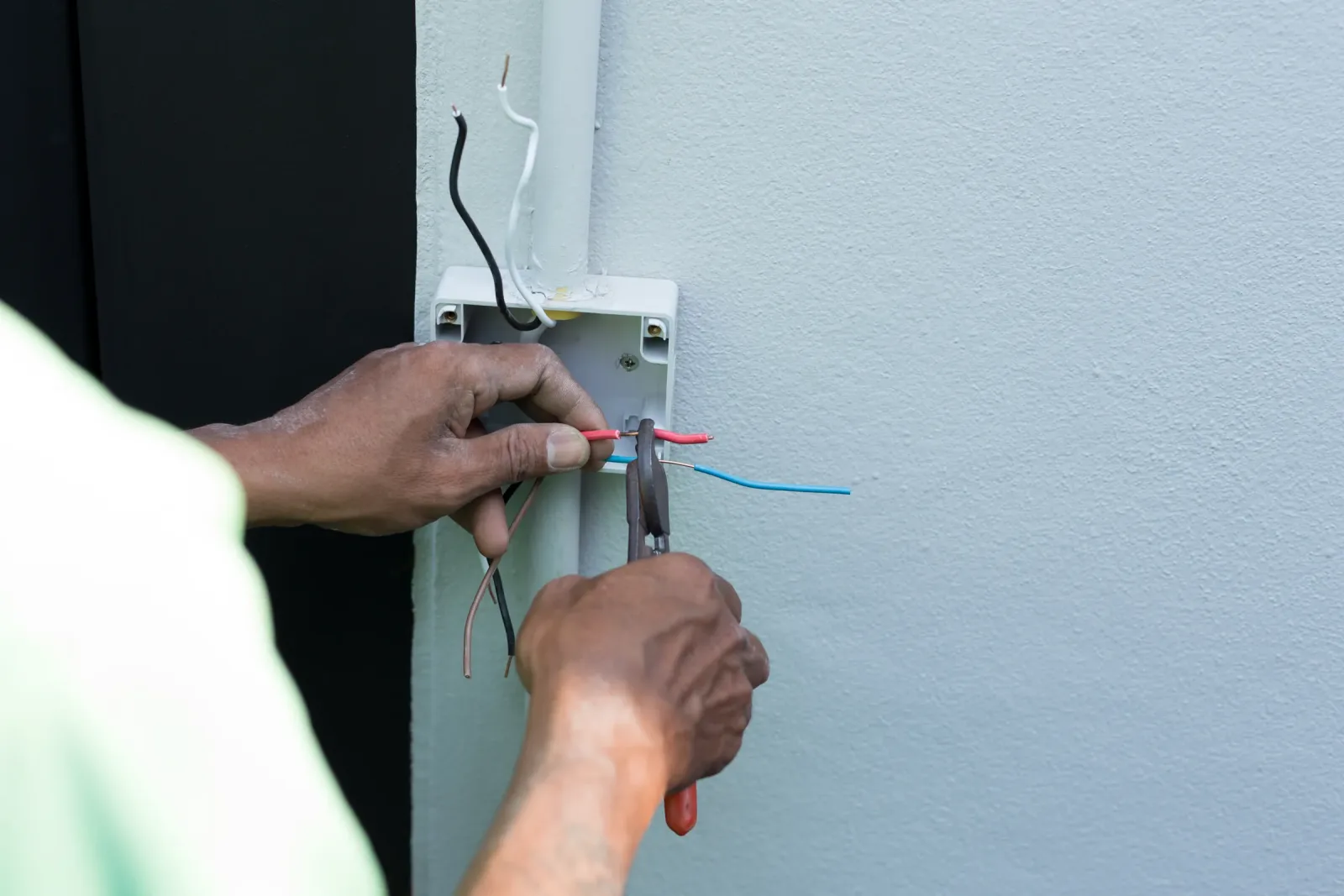
- Install: clean conduit runs, properly terminated joints, labelled circuits and a tidy distribution board.
- Commission: insulation resistance, continuity, polarity, earth and RCD tests before anything is switched on for use.
- Handover: test results, a circuit schedule and a clear explanation of your board.
Whether you are wiring a new build, fixing a problem the last electrician left behind or adding backup power, book a site visit or request a free quote to get started.
What we offer
- New domestic wiring for houses and apartments
- Commercial wiring for shops, offices and rental units
- Industrial wiring, sub-mains and three-phase supplies
- Full and partial rewiring of older buildings
- Inspection, testing and fault finding
- Documentation to support KPLC connection and compliance
- Distribution board upgrades with RCD protection
- Earthing and surge protection
- UPS and inverter backup power circuits
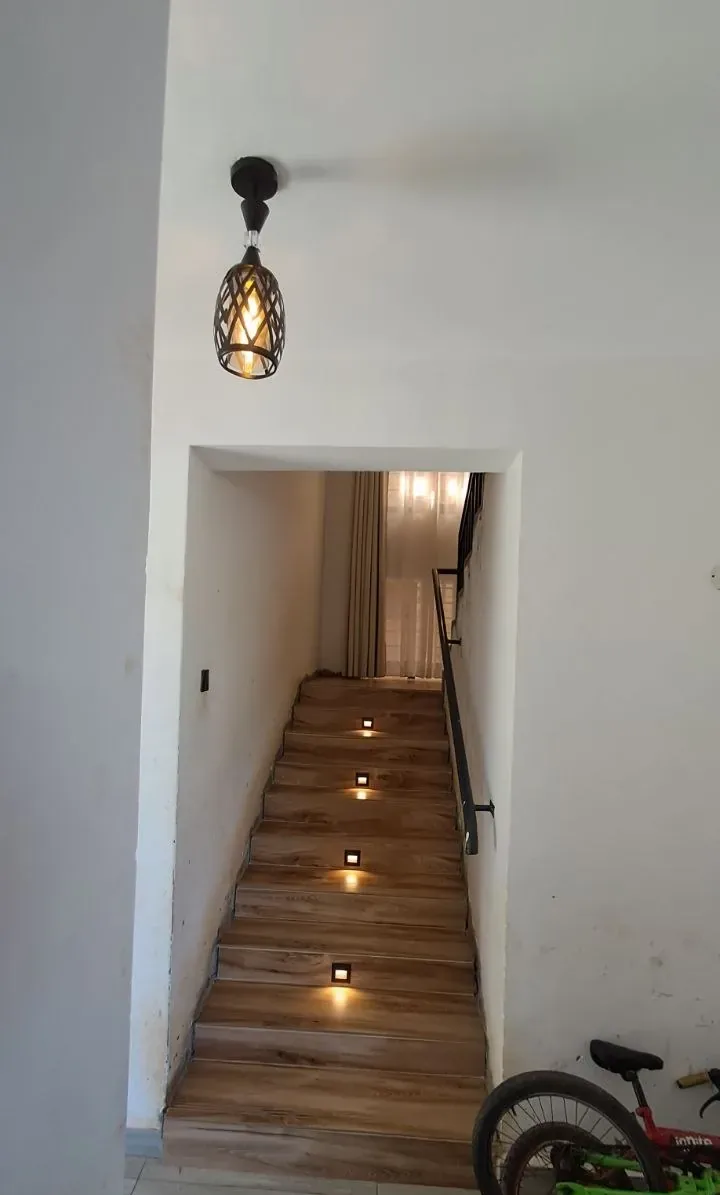
- Outdoor, security and compound lighting
Why choose us
Work that follows the wiring regulations
Cable sizes, protection and earthing are chosen to the Kenyan wiring regulations, not guessed. That protects your family, your tenants and your equipment.
Tested before it is handed over
Every installation is tested for insulation, continuity, polarity, earth and RCD operation, and you receive the results rather than a verbal assurance.
Genuine, correctly rated materials
Undersized or counterfeit cable is a leading cause of overheating. We supply genuine materials at the rating your loads actually need.
A board you can understand
Circuits are labelled and documented, so you or any future electrician can isolate a room or appliance quickly and safely.
Planned for backup and future loads
We design circuits with UPS, solar or generator changeover in mind, so adding backup power later does not mean tearing out walls.
Types of electrical installation we handle
Domestic wiring
For new houses and maisonettes we plan lighting, socket and cooker circuits around how you will live in the space, including outdoor lights, water heaters, booster pumps and gate motor supplies. For apartment developers we wire each unit to a consistent standard with separate metering provisions.
Commercial wiring
Shops, offices, salons, restaurants and clinics need more sockets, dedicated circuits for equipment and lighting that suits the business. We plan these around your fit-out and keep data and power runs separate.
Industrial wiring
Workshops, factories and stores often run three-phase machines, motors and heavy loads. We install sub-mains, isolators and motor supplies, and coordinate with your power control and DB board requirements.
Rewiring
Older buildings in established areas often still have rubber or cloth-insulated cable, no earth on some circuits and fuse boxes with no RCD. Rewiring replaces the hidden risk with a modern, protected installation. We can rewire in phases for occupied homes or businesses.
How to choose the right scope
Start with what the building will carry in five years, not just today. Extra sockets, an electric shower, a borehole pump, air conditioning or a future solar system all change cable sizes and board layout. Planning for them now costs far less than chasing walls later.
Electrical inspection, testing and certification support
Inspection and testing tells you whether an installation is safe, whether it was done by us or by someone else. It is useful before buying or letting a property, after a fire or flood, when insurers ask for it, or when breakers keep tripping with no obvious cause. We provide a written summary of findings with recommended fixes in order of priority.
For new connections and upgrades, KPLC and other bodies may require a completion and test certificate signed by a licensed electrical contractor. We prepare the installation and test records to the standard needed and will tell you plainly, at quotation stage, how certification will be handled for your project.
What affects the cost of electrical installation
- The number of points (lights, sockets, switches) and dedicated circuits.
- Single-phase or three-phase supply and the size of the main board.
- Wall and ceiling type, and whether work is surface conduit or concealed.
- Whether the building is new, occupied or needs old wiring removed.
- Backup power such as a UPS, inverter or changeover switch.
As an indicative 2026 guide, wiring a new three-bedroom house is often in the range of KES 120,000 to 300,000 including materials, and a small office fit-out may be KES 80,000 to 250,000. These figures depend on site; confirm with a free site survey.
Who it is for
- Homeowners building, extending or fixing a house with recurring electrical faults.
- Landlords and developers who need consistent, inspectable wiring across many units.
- Businesses and contractors who need a dependable electrical subcontractor for fit-outs.
- Schools, churches and clinics with older buildings and growing equipment loads.
UPS and backup power
Outages are a fact of life on the KPLC grid, especially during the rainy season. We install UPS units for computers, routers, CCTV and point-of-sale equipment, and inverter systems with battery banks for wider backup. For longer cuts, we design changeover to solar systems or a generator.
Aftercare
Electrical installations need periodic checks, especially in busy commercial premises. We offer inspection visits to tighten terminations, test RCDs and spot heat damage early. Cable, breakers and accessories are also available through the Nerpax shop for contractors who prefer to buy materials directly.
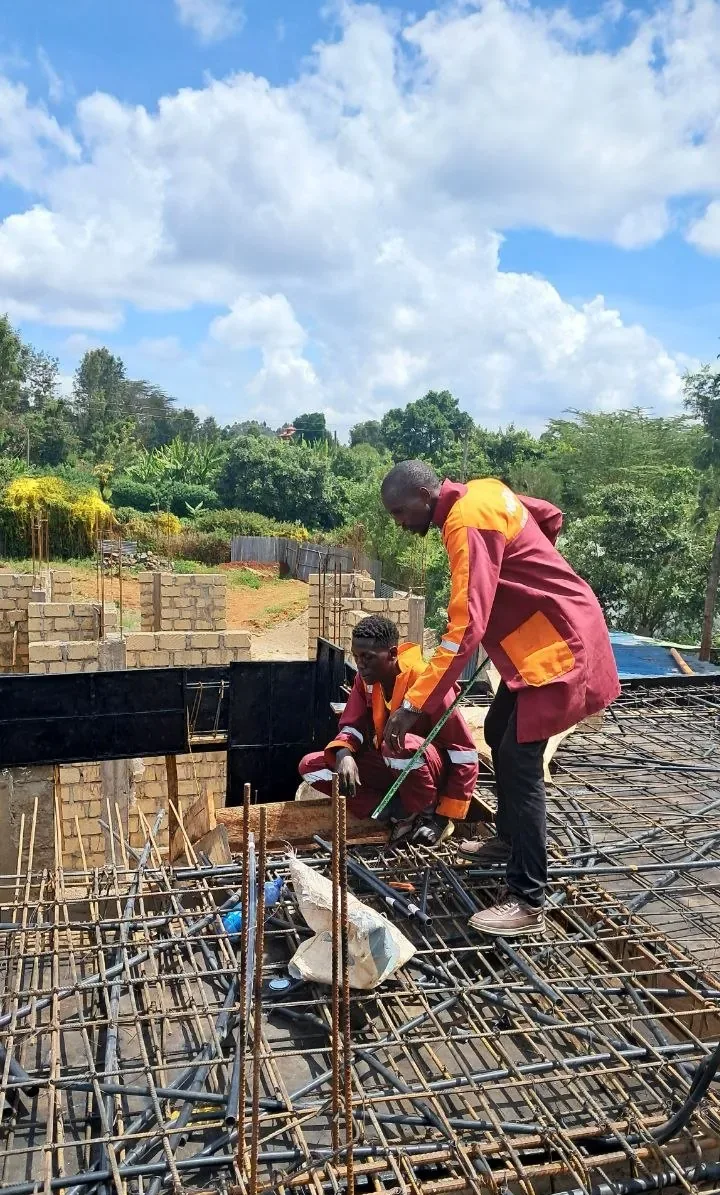
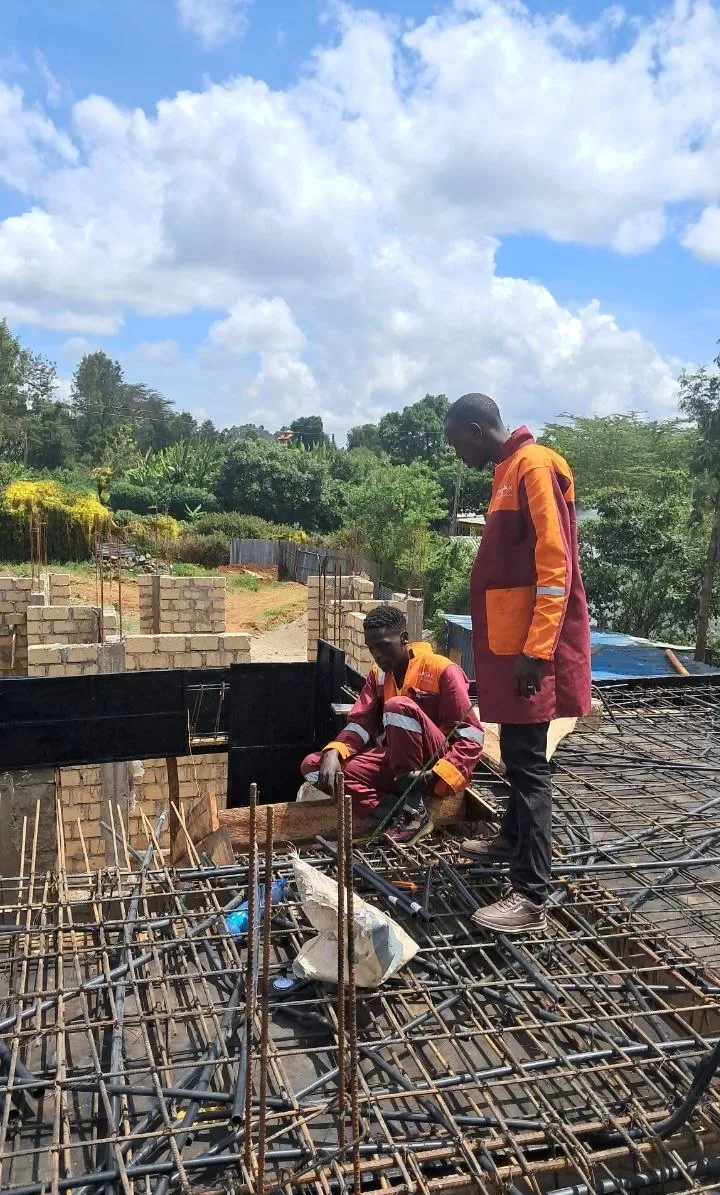
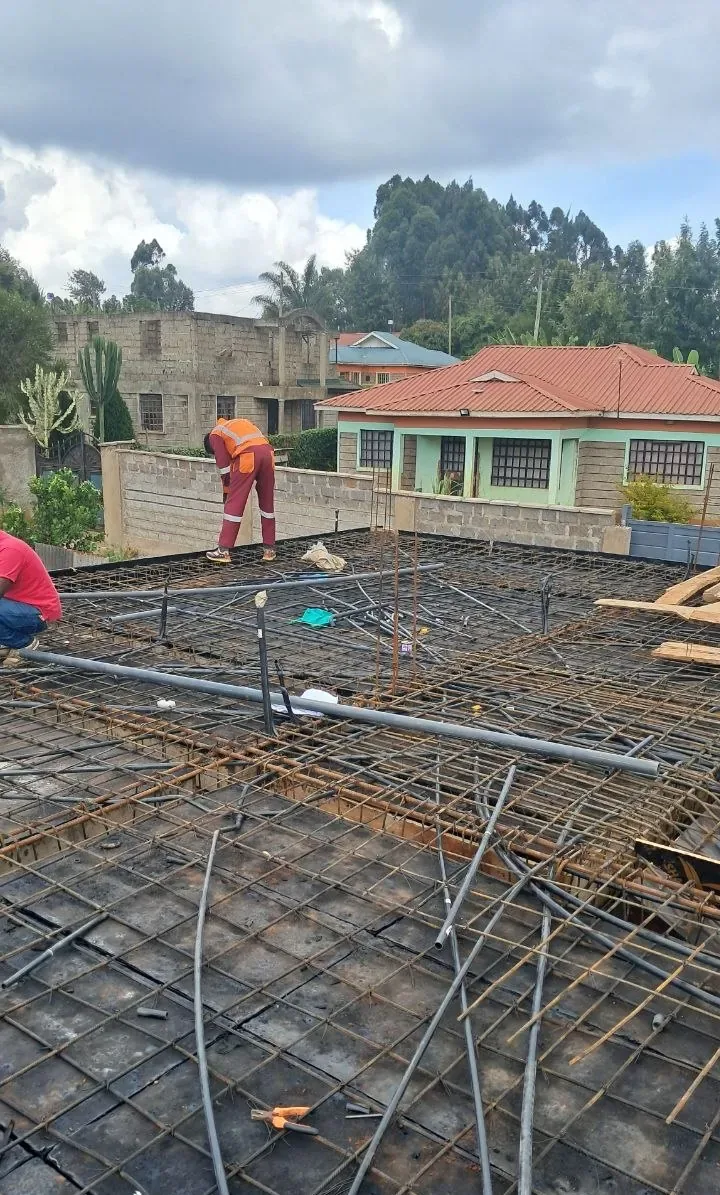
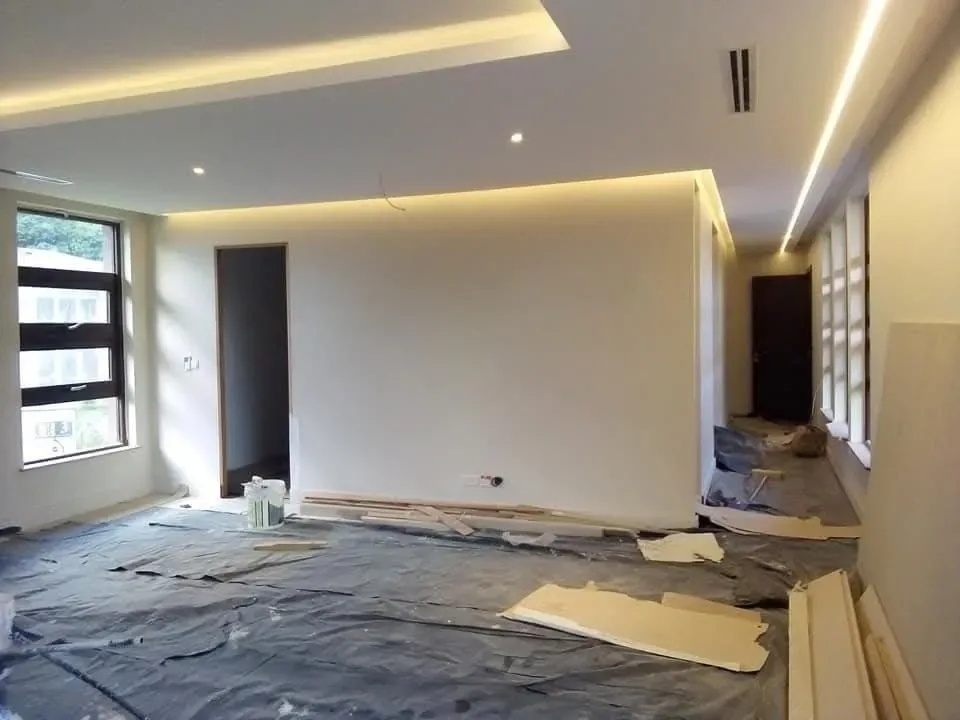
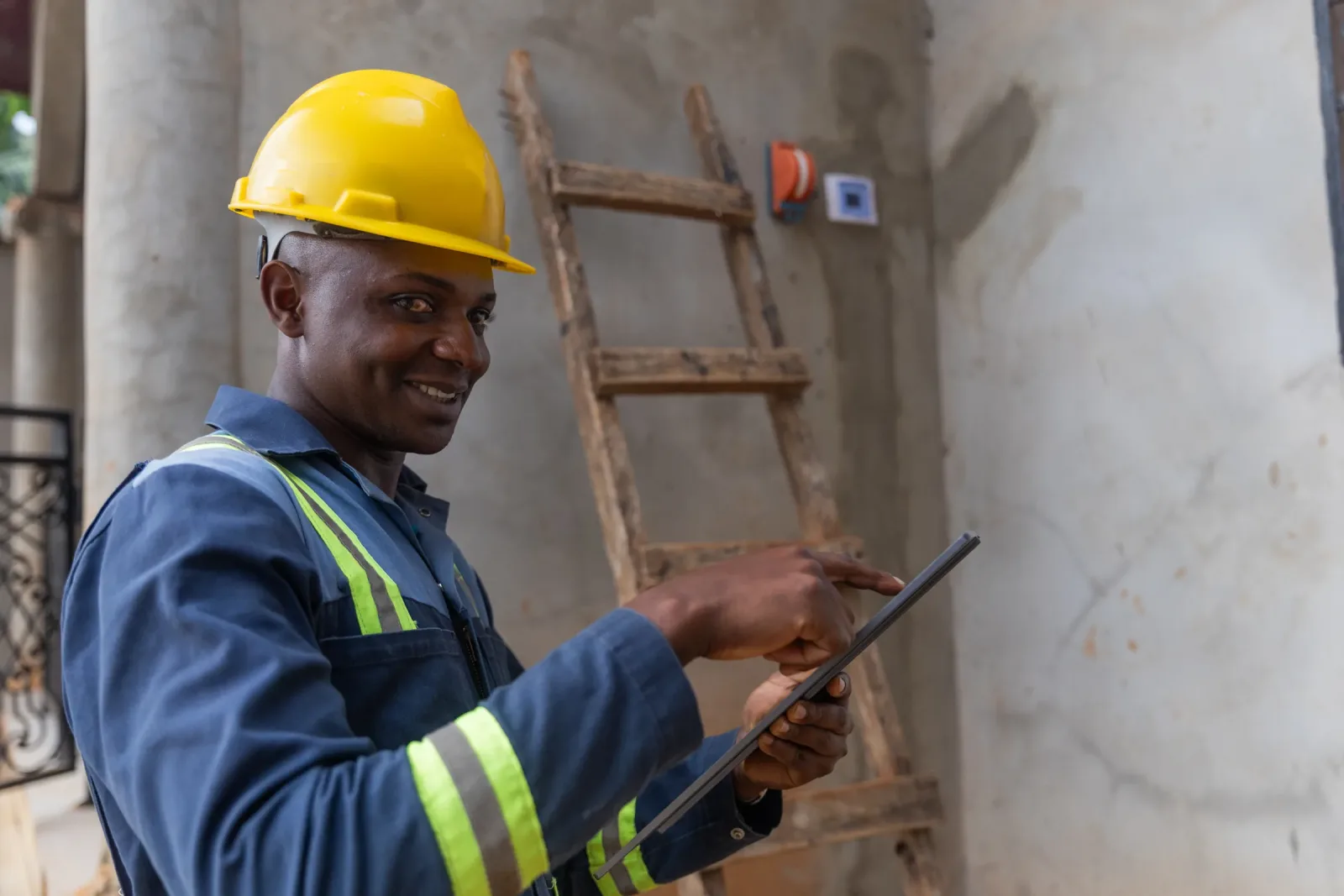
Electrical Installations photos
Frequently asked questions
How much does it cost to wire a house in Kenya?
Why does my breaker keep tripping?
How do I know if my house needs rewiring?
Do I need a certificate to get KPLC power connected?
What is the difference between a UPS and an inverter?
Can you fix wiring done by another electrician?
Should I choose single-phase or three-phase power?
Ready to secure and power your property?
Tell us what you need and get a free, no-obligation quote. We supply, install and commission.