
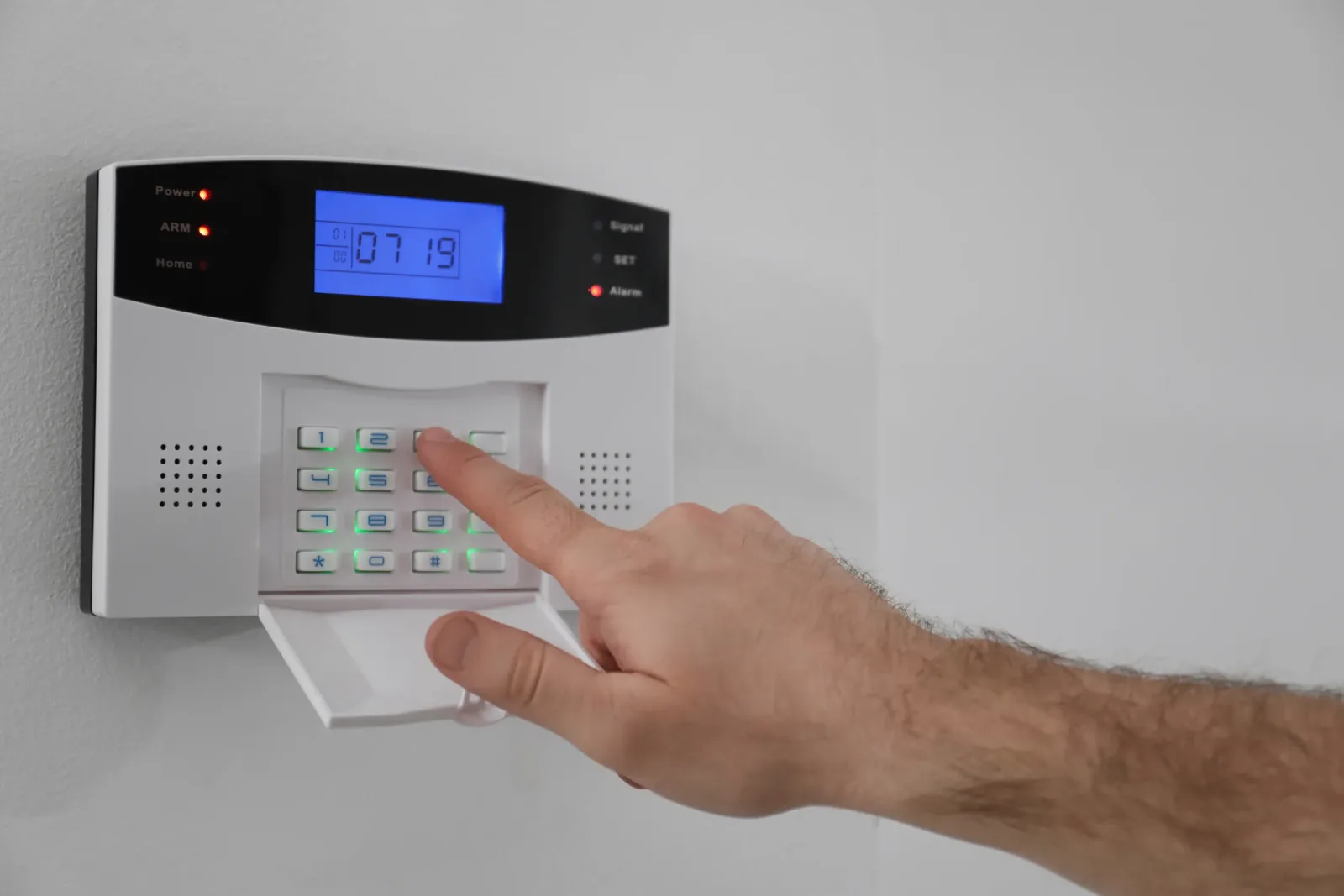
Alarm Systems
Know the moment someone breaks in or a fire starts: intruder and fire alarms with sensors, sirens, panic buttons and phone alerts.
Most break-ins happen when nobody is watching: at night, while you are at work, or when the family is upcountry for the holidays. By the time a neighbour notices a broken window, the TV, laptops and stock are long gone. A fire that starts in a store or kitchen at night can do the same damage in minutes.
Many properties have an alarm that does not help. The panel beeps for no reason so everyone has switched it off, sensors were placed where intruders can walk around them, the backup battery died long ago, or the siren sounds but nobody is told. An alarm only works if it detects reliably and alerts the right people fast.
Nerpax Systems designs and installs alarm systems that do their job. We survey your property, identify the real entry points and risk areas, and supply genuine intruder and fire alarm equipment. We install motion and door sensors, sirens, panic buttons and GSM or app alerts, then commission and test every zone with you before handover. You get a clean installation, a simple way to arm and disarm, and alerts on your phone wherever you are.
Request a free quote or book a site visit and we will design an alarm system around your property.
What we offer
- Intruder alarm panels and keypads
- PIR motion sensors, including pet-tolerant options
- Magnetic door and window contacts
- Indoor and outdoor sirens and strobes
- Panic buttons, fixed and wireless
- GSM and app alerts to your phone
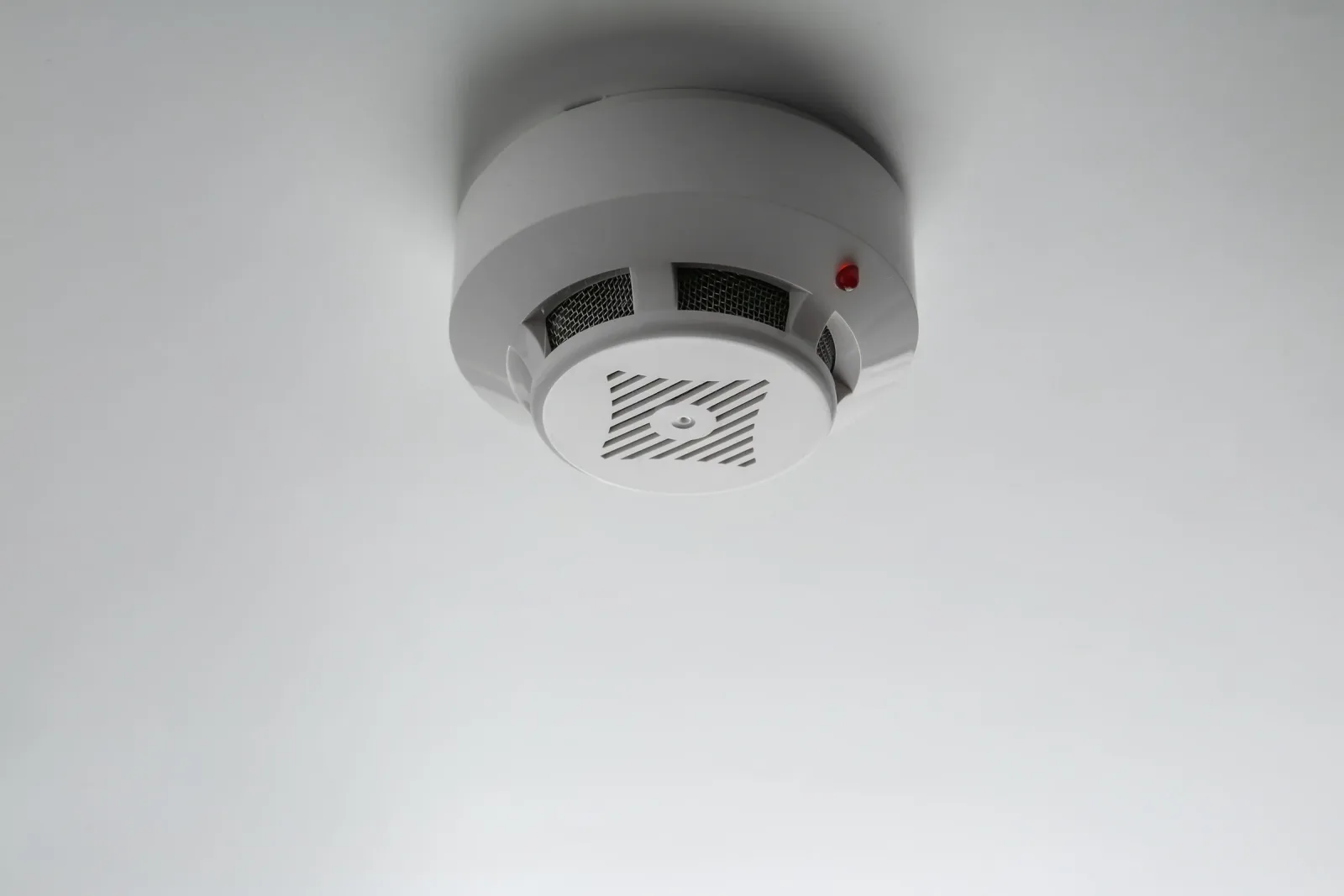
- Fire alarm systems: smoke and heat detectors, call points and sounders
- Wired and wireless alarm systems
- Integration with CCTV and electric fences
- Alarm servicing, battery replacement and fault finding
Why choose us
Designed around real entry points
We walk your property and place sensors where intruders actually come in, not just where it is easy to mount them.
Fewer false alarms
Correct sensor choice, positioning and settings mean your alarm only sounds when something is wrong, so your family keeps using it.
Alerts that reach you
GSM and app alerts tell you, and anyone else you choose, the moment a zone is triggered or a panic button is pressed.
Genuine, tested equipment
We supply genuine panels, sensors and detectors and test every zone during commissioning before we hand over.
One team for your whole security setup
Nerpax also installs CCTV, electric fences, intercoms and gate automation, so your alarm can work with the rest of your security.
Types of alarm systems we install
An alarm system is a set of detectors connected to a control panel. When a detector is triggered, the panel sounds the siren and sends alerts. Choosing the right type depends on your property and what you are protecting against.
Intruder alarm systems
These protect against break-ins. Door and window contacts trigger when an opening is forced. PIR motion sensors detect movement inside rooms and corridors, and pet-tolerant models help homes with dogs or cats. Outdoor beams and sensors can cover verandas, parking areas and perimeter walls. Most homes use a mix, with a part-arm setting so you can protect the ground floor at night while you sleep upstairs.
Panic buttons
A panic button lets you raise the alarm silently or loudly during an emergency. They are common in bedrooms, reception desks, banking halls, pharmacies and petrol stations. Wireless panic buttons can be carried around the compound.
GSM and app-connected alarms
A GSM module or app link sends SMS, calls or push notifications when the alarm triggers, when power fails or when someone arms or disarms the system. This is what turns a siren into a real response, especially if you live alone, travel or own a business that is empty at night. Alerts can also go to your security company if you have one.
Fire alarm systems
Fire alarms use smoke and heat detectors, manual call points and sounders to warn everyone to get out early. Conventional systems divide a building into zones and suit small offices, shops and homes. Addressable systems pinpoint the exact device that triggered and suit schools, hospitals, hotels and larger commercial buildings. Many workplaces and institutions need a working fire alarm to meet county fire safety inspections.
Wired or wireless
Wired systems are very reliable and best fitted during construction or renovation. Wireless systems install faster with less disruption in finished homes, but their batteries need regular replacement.
What affects the cost of an alarm system
- The number of doors, windows and rooms to protect
- Wired or wireless equipment
- Whether you add GSM or app alerts
- Intruder only, fire only or both
- Building size, ceiling heights and cable routes
As an indicative 2026 guide, a basic intruder alarm for a typical home with a few sensors, a siren and GSM alerts is often in the range of KES 35,000 to 120,000. A conventional fire alarm for a small office or shop often starts from around KES 80,000, while addressable systems for larger buildings cost considerably more. Every price depends on site; confirm with a free site survey.
Who needs an alarm system
- Homes: bungalows, maisonettes and townhouses, especially when the house is often empty.
- Landlords and apartments: fire alarms for common areas and stairwells, and intruder alarms for stores and offices.
- Businesses: shops, offices, warehouses, pharmacies and agrovets with stock and cash on site.
- Institutions: schools, churches and clinics that need fire detection and protection for equipment.
An alarm works best as part of layered security. Pair it with CCTV systems to see what triggered the alarm, and with an electric fence to stop intruders at the wall.
Maintenance and aftercare
Alarms fail quietly. Backup batteries wear out, sensors get blocked by furniture and smoke detectors collect dust. We recommend testing your system regularly and having it serviced at least once a year, with battery replacement as needed. We can service systems we installed and check existing alarms installed by others. Spare sensors, sirens and batteries are available through our online shop.
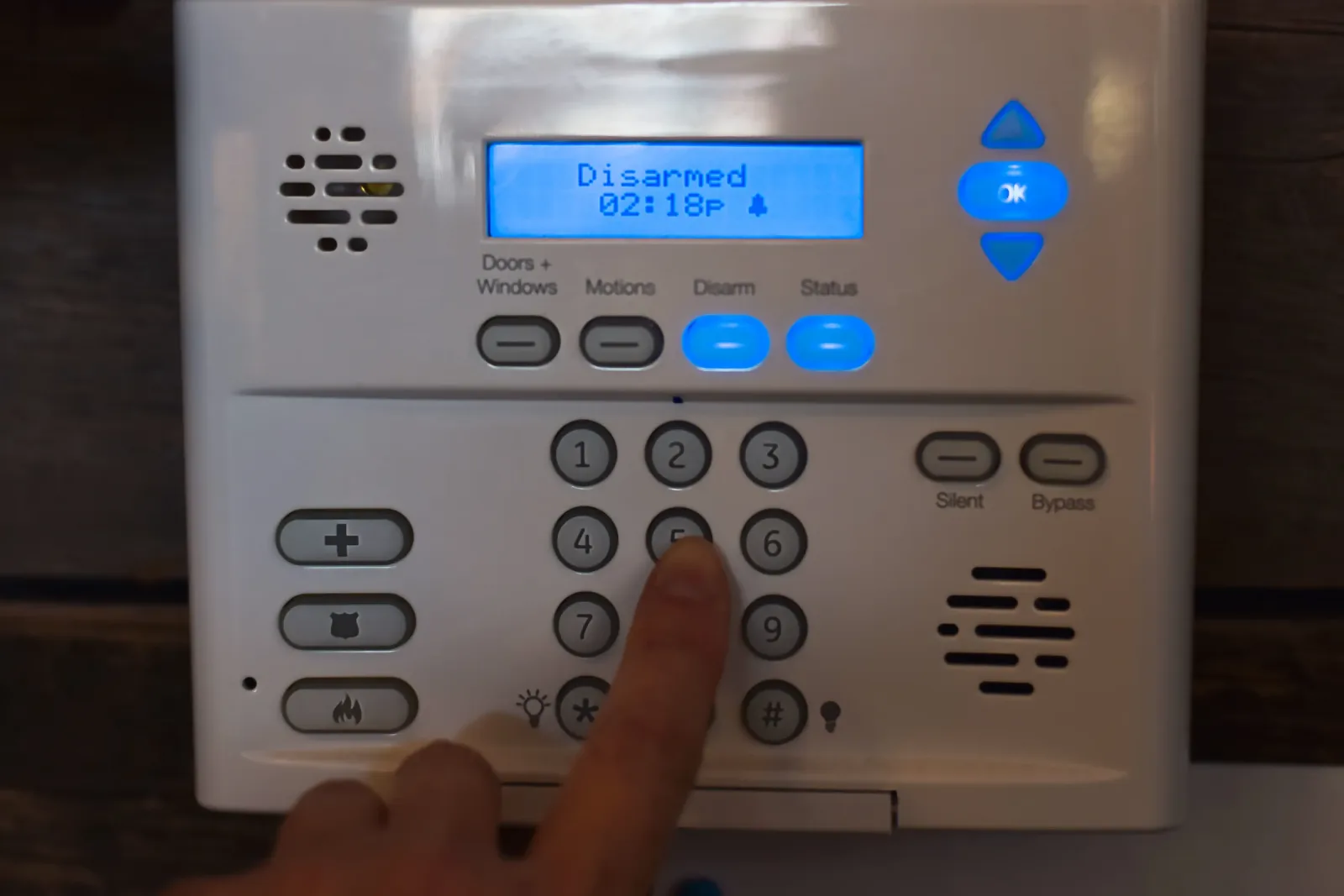
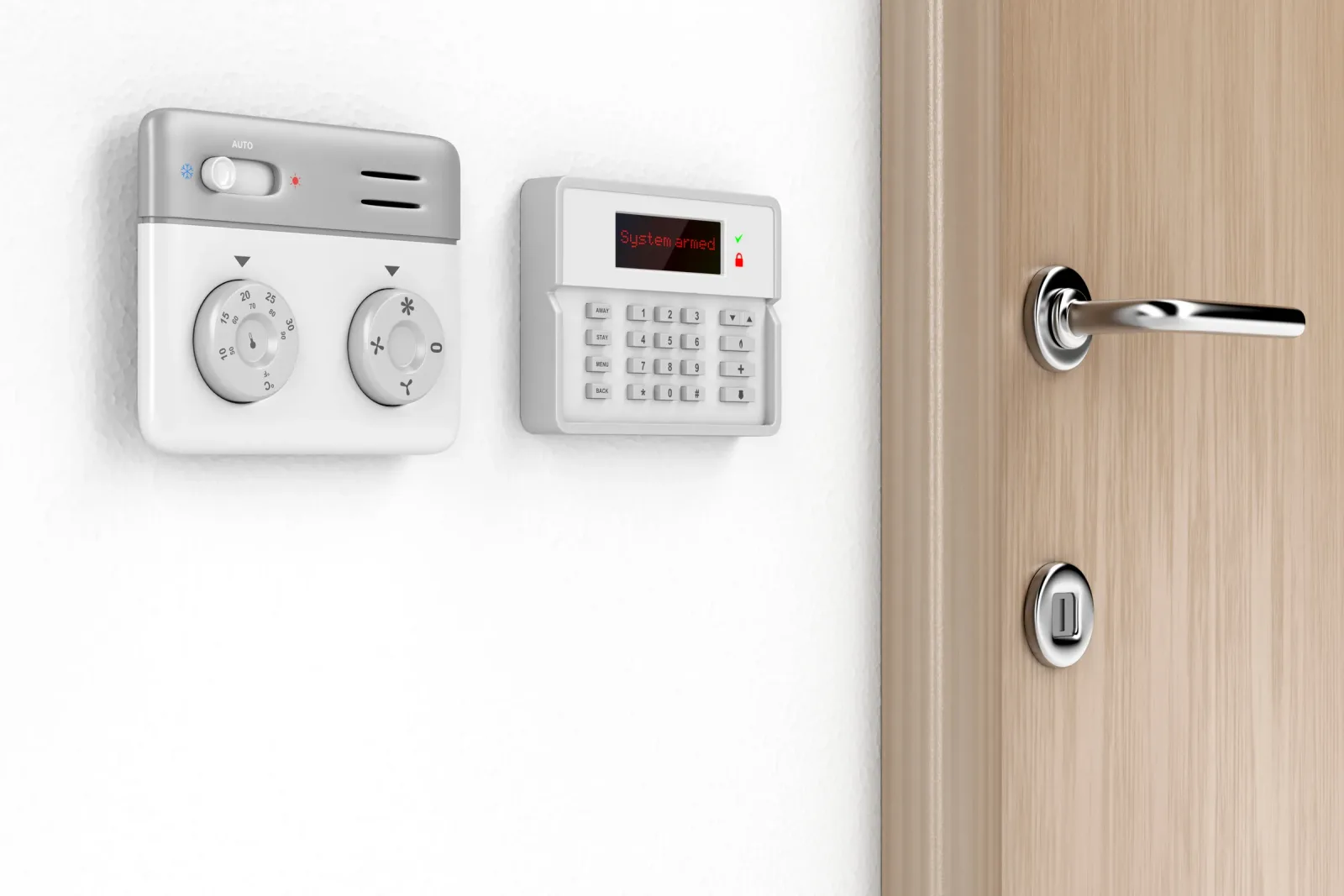
Alarm Systems photos
Frequently asked questions
How much does a home alarm system cost in Kenya?
Can an alarm system send alerts to my phone?
Does an alarm system work during a power cut?
Wired or wireless alarm: which is better?
Will my dog or cat set off the alarm?
What is the difference between a conventional and an addressable fire alarm?
Can an alarm system work with CCTV and an electric fence?
Ready to secure and power your property?
Tell us what you need and get a free, no-obligation quote. We supply, install and commission.