Solar vs Generator for Kenyan Homes: Which Backup Is Better?
16 September 2026 · 6 min read

For most Kenyan homes, solar with a hybrid inverter and battery is the better everyday backup: it is silent, switches over automatically, has very low running costs and can cut your KPLC token spend. A generator still makes sense for long outages, heavy loads such as borehole pumps or welding, and properties with limited roof space or budget. Many homes get the best result by combining both, with an automatic transfer switch (ATS) managing the changeover.
This guide compares solar vs generator backup for Kenyan homes on cost, noise, maintenance and outage length so you can choose what fits your house and budget.
Solar vs generator: the short comparison
Solar with hybrid inverter and battery
- Upfront cost: higher, mainly due to batteries and panels
- Running cost: very low; sunshine is free and there is no fuel to buy
- Noise: silent
- Switchover: automatic and near-instant, so TVs, Wi-Fi and computers usually stay on
- Maintenance: light; keep panels clean and check connections and battery health
- Outage length: limited by battery size and sunshine; long outages with heavy use can drain batteries
- Extra benefit: can lower your daily token spend, not just cover blackouts
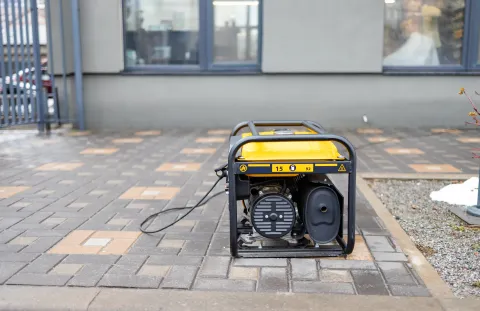
Generator (petrol or diesel)
- Upfront cost: lower for small units, higher for large silent diesel sets
- Running cost: high; you pay for fuel every hour it runs, and fuel prices keep rising
- Noise: noisy unless it is a canopied silent model, and it produces exhaust fumes
- Switchover: manual unless an ATS is fitted, and there is always a short break while it starts
- Maintenance: regular oil changes, filters, servicing and test runs
- Outage length: runs as long as there is fuel, so it handles very long outages
- Extra benefit: powers heavy loads that would quickly drain a battery bank
Running costs: fuel vs sunshine
A generator's biggest cost is not the purchase, it is the fuel. Every blackout means another trip to the petrol station, and the cost adds up quickly in seasons when outages are frequent, such as during heavy rains. Add oil, filters and servicing, and the yearly cost of running a generator can be significant.
Solar works the other way round. The upfront investment is larger, but once installed, daily running costs are very low. A well-designed hybrid system also uses solar energy during the day even when KPLC power is on, which can reduce your token purchases. Over the years, these savings help pay back the system.
Batteries do wear out over time, so a fair comparison includes eventual battery replacement. Choosing good-quality lithium batteries and sizing them correctly helps them last longer.
Noise, fumes and neighbours
Generators are loud and produce exhaust fumes. In estates, apartments and maisonettes, this can be a problem for you and your neighbours, especially at night. Generators must also be placed outdoors in a ventilated spot, never inside the house or a closed garage, because of the risk of carbon monoxide poisoning.
Solar and battery systems are silent and produce no fumes, so they can run all night without disturbing anyone.
Maintenance compared
Solar maintenance
- Clean panels occasionally, especially in dusty areas or the dry season.
- Check cable connections, breakers and the inverter display.
- Keep the inverter and batteries in a cool, ventilated place.
- Have the system checked periodically by a technician.
Generator maintenance
- Change oil and filters at the intervals in the manual.
- Run it regularly, even when there is no blackout, so it starts when needed.
- Keep fuel fresh and stored safely.
- Check the starter battery, belts and cooling system on larger units.
How long are your outages?
Outage length is the deciding factor for many households.
- Short and frequent outages (a few minutes to a few hours): a hybrid inverter with batteries handles these well, switching over so quickly you may not notice.
- Long outages (most of a day or several days): solar can cope if you have enough panels and battery capacity and you manage heavy loads, but cloudy days limit recharging.
- Very long outages with heavy loads: a generator, or a solar and generator combination, gives the most security.
For a wider look at UPS units, inverters and other options, read power backup options for blackouts.
How a hybrid inverter and battery system works
A hybrid inverter connects your solar panels, batteries and KPLC supply and manages them together:
- During the day, solar powers the house and charges the batteries.
- Extra demand is topped up from KPLC when available.
- When KPLC goes off, the inverter switches to batteries and solar automatically.
- At night, the batteries power essential loads such as lights, TV, Wi-Fi, fridge and CCTV.
Many homes put only essential circuits on backup, so the system can be smaller and more affordable. Heavy loads such as electric showers, cookers and instant water heaters are usually left off the backup circuit.
When a generator still makes sense
- You have heavy loads such as a borehole pump, large water pumps, workshop machines or welding.
- Your area experiences long outages lasting a day or more.
- Roof space or shading limits how many solar panels you can fit.
- Your budget does not allow a large battery bank right now.
- You run a business, clinic or school that cannot afford downtime at any time.
Combining solar and a generator with an ATS
You do not have to choose only one. A combined system gives you the low running cost of solar with the endurance of a generator.
- Solar and batteries cover everyday use and short outages silently.
- The generator starts only when batteries are low during a long outage, or for heavy loads.
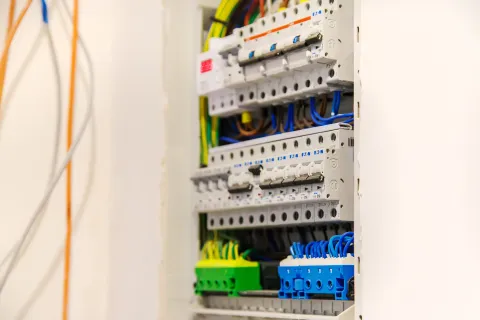
- An automatic transfer switch (ATS) handles the changeover between KPLC and the generator safely, so no one has to go outside in the dark to switch over.
- The generator runs fewer hours, so it uses less fuel and lasts longer.
An ATS or changeover switch also prevents generator power feeding back into KPLC lines, which is a serious safety risk for line workers. It should always be installed by a qualified electrician.
Key takeaways
- Solar with a hybrid inverter and battery is silent, automatic and cheap to run, but costs more upfront.
- Generators cost less to buy for small units but more to run, and are noisy.
- Short, frequent outages suit solar; long outages and heavy loads favour a generator.
- Combining both with an ATS gives the best reliability for many homes and businesses.
- Correct sizing and safe installation matter more than the brand.
Choosing backup power for your home
If blackouts keep interrupting your work, your fridge or your CCTV, or fuel costs are eating into your budget, the right backup starts with knowing your loads and outage pattern. Nerpax Systems supplies, installs and commissions solar, generator and ATS systems across Nairobi, Kiambu, Kajiado, Machakos, Murang'a, Nyeri and Nakuru.
Explore our solar systems and generator installations services, or browse inverters and batteries in our shop. When you are ready, book a site visit or request a free quote and we will size a system for your home.