Yes, in many situations you do. In Kenya, a new power connection typically requires a completion or test certificate from a licensed electrical contractor before Kenya Power will connect supply, and an electrical inspection is strongly advised whenever you renovate, buy or rent property, renew insurance or run commercial premises. Requirements change from time to time, so always check the current rules with Kenya Power and EPRA before you start.
Many people only think about an electrical inspection certificate when a connection is delayed or an insurer asks for one. By then, the "fundi" who did the wiring may be long gone, and nobody knows whether the cables behind the walls are safe. This guide explains when testing matters, what it involves and how to prepare.
What is an electrical inspection certificate?
An electrical inspection certificate (often called a test certificate or completion certificate) is a written record that an installation has been inspected and tested, and that the results were acceptable at the time of testing. It usually lists the circuits checked, the test readings taken and the details of the person who carried out the work.
It is not a guarantee that nothing will ever go wrong. It is evidence that the wiring, protection devices and earthing were checked against the Kenyan wiring regulations and safety standards on a given date.
When do you need an electrical inspection in Kenya?
New power connections
This is the most common reason. When you apply for a new Kenya Power connection for a house, rental block or business, you will typically be asked for a completion or test certificate signed by a licensed electrical contractor. Without it, your application can stall. Check the latest list of documents with Kenya Power and EPRA, as the process and forms are updated from time to time.
Renovations and extensions
Adding rooms, a new kitchen, a borehole pump, an electric shower or a solar system changes the load on your wiring. New circuits should be tested, and the existing installation should be checked to confirm it can carry the extra load safely.
Buying or renting property
Before you buy a house or sign a lease on commercial space, an inspection tells you what you are taking on. Rewiring a finished house is disruptive and costly, so it is better to know before you commit. Landlords also benefit: a tested installation protects tenants and reduces the risk of fires and disputes.
Insurance
Some insurers ask about the condition of the electrical installation, especially for commercial premises, warehouses and older buildings. A recent test record can make the process smoother. Ask your insurer exactly what they require.
Commercial and institutional premises
Offices, shops, schools, churches, clinics and factories have more people, more equipment and longer operating hours. Periodic inspection helps catch overloaded circuits, loose terminations in distribution boards and failing protection devices before they cause a fire or a costly shutdown.
After a fault, fire or flood
If a circuit has burned, water has entered sockets or a lightning strike has damaged equipment, the installation should be inspected and tested before it is used again.
What does electrical inspection and testing involve?
A proper inspection has two parts: a visual check and a set of instrument tests. Here is what a qualified electrician typically looks at.
Visual inspection
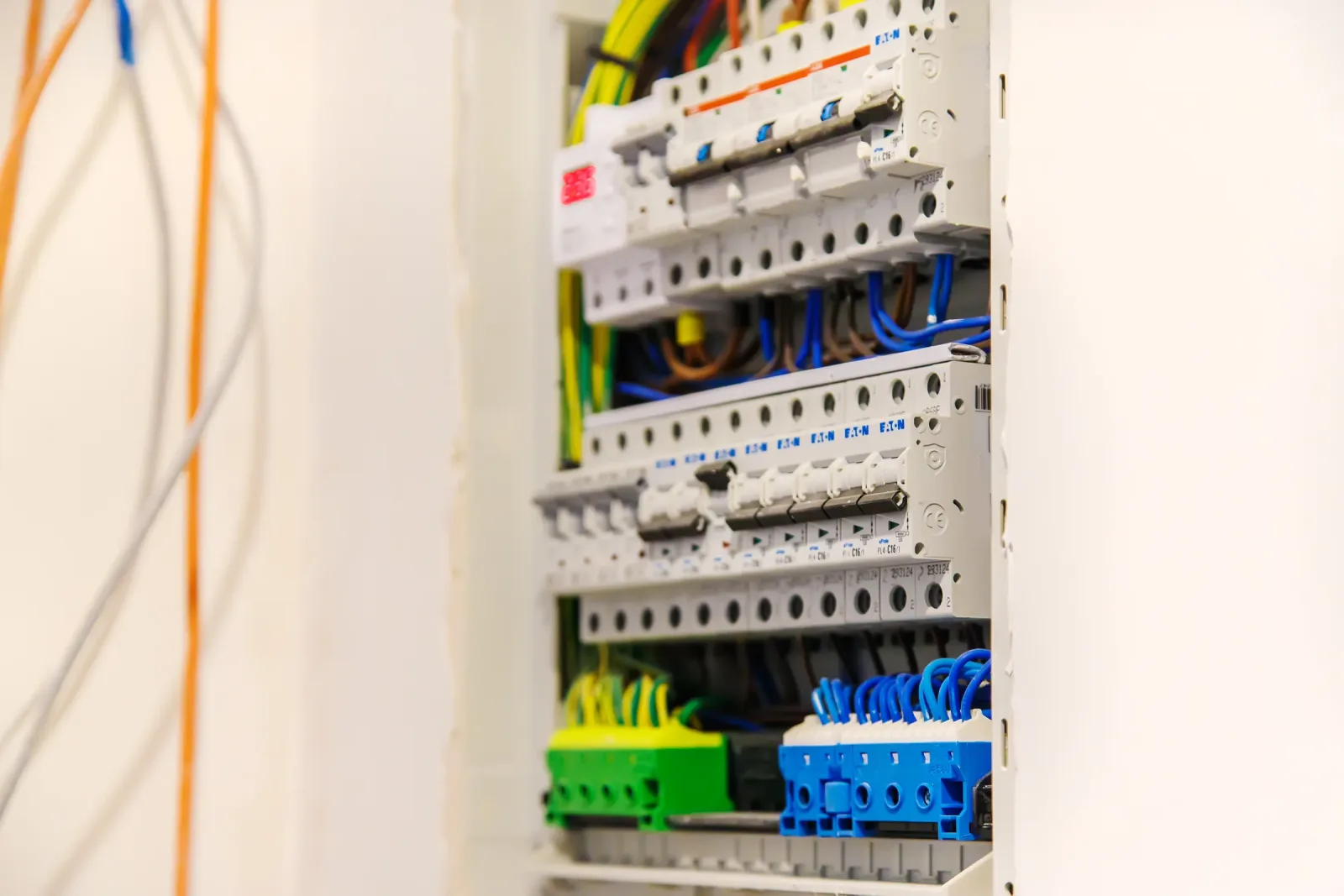
- Condition of the distribution board (DB), breakers and labelling
- Cable sizes suited to each circuit and its protection device
- Signs of overheating: discoloured sockets, melted insulation, burning smells
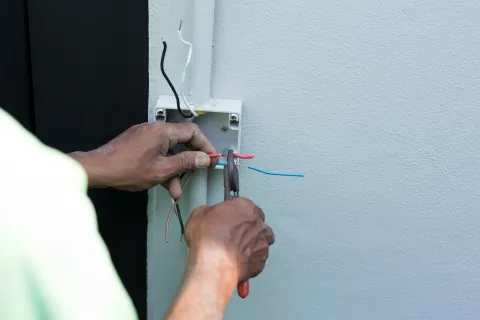
- Loose or exposed connections, missing covers and unsafe joints
- Correct polarity and neat, secured cable routes
Insulation resistance test
This test checks that the insulation around conductors is in good condition and that current is not leaking between live conductors or to earth. Low readings can point to damaged cables, moisture or poor workmanship.
Earthing and continuity tests
The electrician confirms that your earth electrode and earth conductors provide a reliable path for fault current, and that the protective conductor is continuous to every socket and metal fitting that needs it. Without good earthing, a fault can make a metal appliance casing live.
RCD tests
A residual current device (RCD) is designed to cut power quickly when current leaks to earth, for example through a person. Testing confirms that the RCD actually trips within its rated time and current. Pressing the test button alone is not enough to prove correct operation.
Functional checks
Switches, isolators, changeover switches and any automatic transfer switch (ATS) for a generator or solar system are operated to confirm they work as intended.
Common problems an inspection uncovers
- No earthing, or an earth rod that was never properly connected
- No RCD protection on socket circuits
- Undersized cables feeding cookers, water heaters or pumps
- Overloaded circuits caused by DIY extensions
- Generators or inverters connected without a proper changeover, which can feed power back into the grid
- Loose terminations in the DB that cause heat and tripping
If several of these sound familiar, read our guide on the 7 signs your house needs rewiring.
How to prepare for an electrical inspection
- Gather documents. Building plans, any previous test records and details of recent electrical work.
- Allow access. The electrician needs to reach the DB, meter area, earth point and every room.
- Plan for short power interruptions. Some tests require circuits to be switched off.
- List your concerns. Note any tripping, warm sockets or flickering lights so they can be checked.
- Budget for repairs. If faults are found, they must be fixed and retested before a certificate can be issued.
Who can issue an electrical test certificate?
Certificates for power connections are typically signed by an electrical contractor licensed by EPRA (the Energy and Petroleum Regulatory Authority). Before you hire anyone, ask to see their current licence and confirm the category covers your type of installation. A certificate from an unqualified person can be rejected and may not protect you if something goes wrong.
Key takeaways
- A new Kenya Power connection typically needs a completion or test certificate from a licensed electrical contractor.
- Inspection is wise when renovating, buying or renting, renewing insurance or running commercial premises.
- Testing covers insulation resistance, earthing, continuity and RCD operation, plus a visual check.
- Faults must be fixed and retested before an installation can be certified.
- Always confirm current requirements with Kenya Power and EPRA.
Get your wiring inspected, fixed and ready for certification
Whether you are waiting on a new connection, renovating a home in Kikuyu or taking over a shop in Nairobi, you need to know your installation is safe. Nerpax can inspect and test your wiring, fix any faults we find, and help you get the work certified so your connection or insurance is not held up. Our work follows the Kenyan wiring regulations and safety standards.
Explore our electrical installation services and distribution board and power control work, or book a site visit and we will check your installation and give you a clear report of what needs attention.