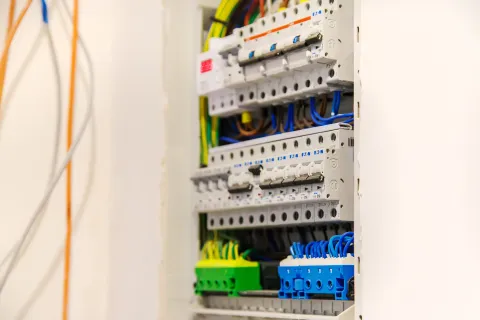
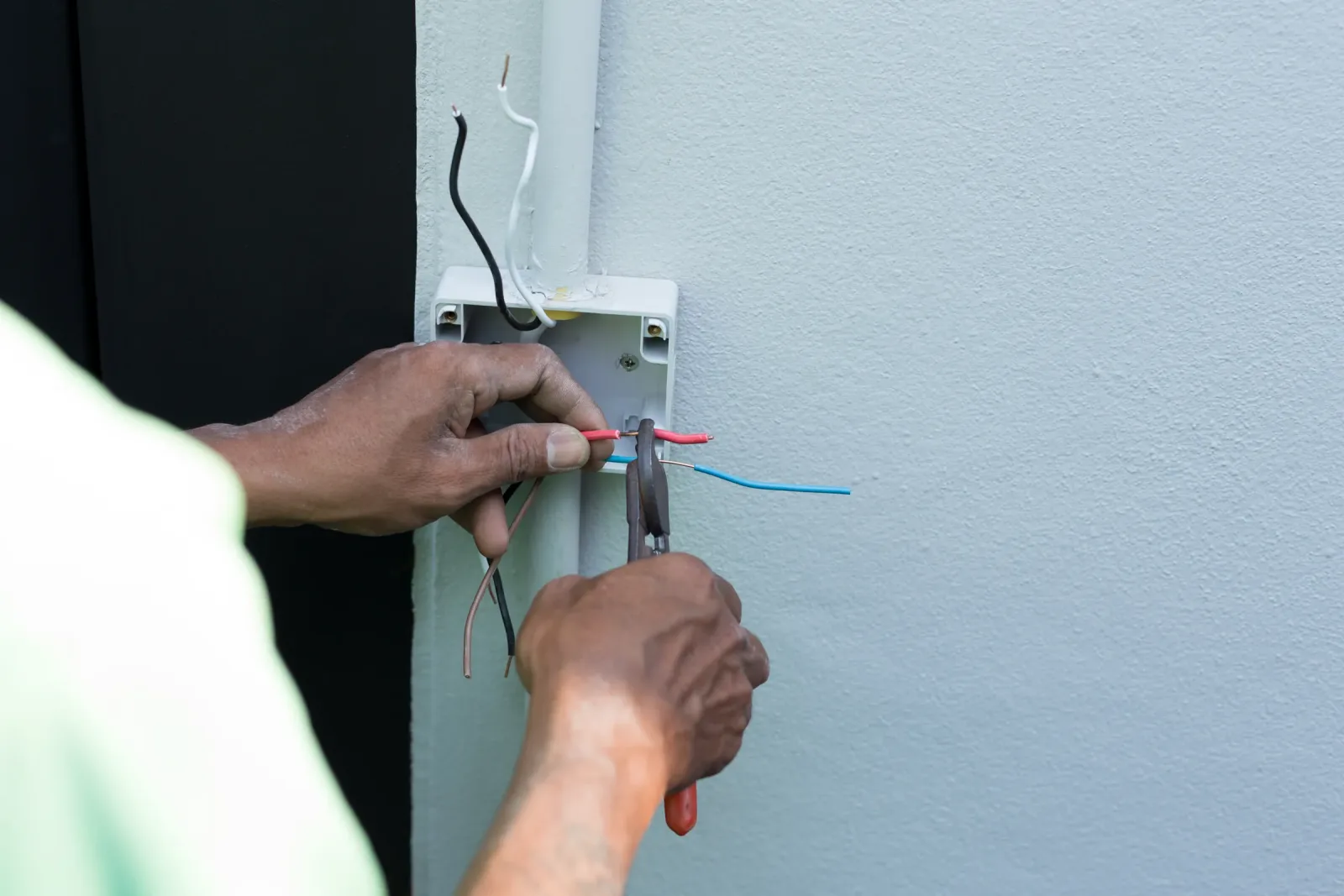
Your house may need rewiring if breakers trip often, sockets feel warm, you notice a burning smell, lights flicker, the cables are old or undersized, there is no earthing or RCD protection, or the wiring has been extended with DIY connections. Any one of these signs deserves an inspection by a qualified electrician, because faulty wiring is a leading cause of electrical fires and shocks.
Many Kenyan homes were wired quickly by a "fundi" and then extended over the years as families added fridges, water heaters, pumps and more electronics. The wiring was never designed for that load. Here are seven warning signs to look out for, what they mean and what to do next.
1. Breakers that trip frequently
A circuit breaker trips to protect the wiring from overload or a fault. An occasional trip when too many appliances run at once is the breaker doing its job. Frequent tripping on the same circuit is a warning.
- The circuit may be overloaded because it now feeds more appliances than it was designed for.
- There may be a short circuit or earth fault somewhere in the wiring.
- A loose connection in the distribution board can cause heat and nuisance tripping.
Never replace a tripping breaker with a bigger one to "stop the problem". That removes the protection and lets the cable overheat.
2. Warm or discoloured sockets and switches
Sockets, plugs and switches should not feel warm. Heat, brown marks, melted plastic or a crackling sound point to loose terminals, poor-quality fittings or cables that are too small for the load. Stop using the outlet and have it checked.
3. A burning smell with no obvious cause
A smell of burning plastic or hot dust near sockets, the distribution board or light fittings is one of the most serious signs. It can mean insulation is overheating inside the wall or ceiling. Switch off the affected circuit at the DB, or the main switch if you are unsure, and call an electrician immediately.
4. Flickering or dimming lights
Lights that dim when a heavy appliance starts, or flicker for no reason, can be caused by several things:
- Loose connections in fittings, switches or junction boxes
- An overloaded or undersized circuit
- A poor neutral connection, which can also cause appliances to fail
- Supply problems from the grid, which an electrician can help rule out
Occasional flicker during a grid disturbance is normal. Constant flicker in one part of the house is not.
5. Old, fabric-covered or undersized cables
Older buildings may still have cables with brittle rubber or fabric insulation that cracks with age and heat. Even in newer houses, some installers use cables that are too thin for the circuit to save money, or use low-grade cable with less copper than the label suggests.
Signs to look for include cracked insulation at light fittings, cables that feel stiff or crumble, and heavy appliances such as cookers or water heaters connected to ordinary socket circuits.
6. No earthing or RCD protection
Earthing gives fault current a safe path to the ground. A residual current device (RCD) cuts power fast if current leaks through a person or a damaged appliance. Together, they are among the most important protections in a modern installation.
- Two-pin sockets or sockets with no earth connection
- No earth rod, or an earth conductor that is disconnected
- Mild shocks or tingles from metal appliances, taps or water heaters
- No RCD in the distribution board, or one that has never been tested
Any shock or tingle is a warning. Do not ignore it. Bathrooms, kitchens and outdoor sockets, where water and electricity meet, need this protection most.
7. DIY extensions and messy connections
Extension cables running permanently under carpets, multi-plug adaptors stacked on top of each other, cables twisted together and taped, and new sockets added by "just tapping" from a nearby circuit are all signs that the installation has outgrown itself.
This is also common where a generator or inverter has been connected without a proper changeover switch. That can damage equipment and feed power back into the grid, which puts electricians working on the lines at risk.
The dangers of ignoring faulty wiring
Faulty wiring rarely fails all at once. It deteriorates quietly until something gives. The risks include:
- Fire: overheating cables and loose connections can ignite insulation, ceilings and furniture.
- Electric shock: without earthing and RCD protection, a fault can make metal surfaces live.
- Damaged appliances: poor connections and voltage problems shorten the life of fridges, TVs and electronics.
- Insurance and connection problems: unsafe installations can complicate insurance claims and new connections.
- Higher costs later: small repairs left too long often turn into a full rewire.
Inspection first: does your house really need rewiring?
Not every warning sign means a full rewire. Sometimes the fix is a new distribution board, extra circuits, an RCD, better earthing or replacing a few damaged sections. That is why the first step is always a proper inspection and test.
A qualified electrician will typically:
- Inspect the distribution board, breakers and labelling
- Check cable types, sizes and condition at key points
- Test insulation resistance, earthing, continuity and RCD operation
- Identify overloaded circuits and unsafe DIY work
- Give you a clear report: what is safe, what needs repair and whether full or partial rewiring is required
Our guide on electrical inspection certificates in Kenya explains what testing involves and when you may need a certificate.
What rewiring involves
If rewiring is needed, it can often be planned in stages to reduce disruption. A typical job includes new cables of the right size in conduit, a new or upgraded distribution board, proper earthing, RCD protection, separate circuits for heavy appliances, and testing before handover. It is also the ideal time to add sockets where you actually need them and prepare for solar, backup power or CCTV.
Key takeaways
- Frequent tripping, warm sockets, burning smells and flickering lights are warning signs.
- Old, fabric-covered or undersized cables need replacing.
- No earthing or RCD protection is a serious safety gap.
- DIY extensions and improper generator connections add risk.
- Always start with an inspection; not every problem needs a full rewire.
Worried about your wiring? Get it checked
If any of these signs sound familiar, do not wait for a fire or a shock to find out how bad it is. Nerpax inspects and tests home and business wiring, explains what we find in plain language, and carries out repairs or rewiring neatly and safely, following the Kenyan wiring regulations and safety standards.
Learn more about our electrical installations and distribution board upgrades, or book a site visit so we can inspect your wiring and give you an honest recommendation.